A septic system is the most expensive thing on a property that nobody can see. Lenders, insurers and smart buyers all want it inspected — and a failed system discovered after closing becomes a five-figure fight. Our inspection removes the guesswork.
We pump the tank completely, inspect the tank structure, baffles and filter, run water to evaluate drain field performance, and check for signs of past backups or unpermitted work. You get a clear written report stating the system's condition — the document your closing actually requires, delivered fast enough to keep your transaction on schedule.
Septic inspections mostly happen for one reason: somebody is buying or selling a house. Lenders and insurers often want the system inspected before they will close, and smart buyers ask for it even when nobody requires it, because a septic system is the most expensive thing on a property that nobody can see. A failed system discovered after closing becomes a five-figure argument between buyer and seller. An inspection before closing turns that argument into a number everyone can negotiate around.
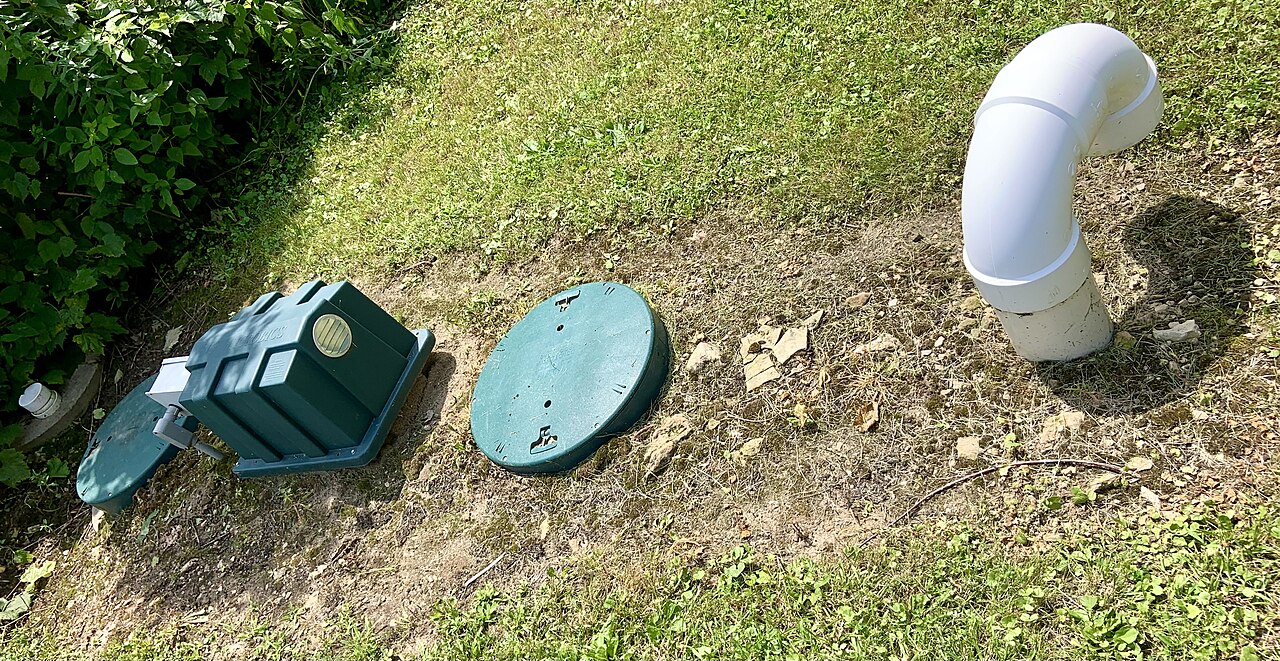
The inspection itself is thorough because it has to be. We pump the tank completely, then inspect the tank structure for cracks and deterioration, check the baffles and the effluent filter, and look at the inlet and outlet for damage. Then we run water through the system to evaluate how the drain field actually performs under load, and check for signs of past backups, standing water or unpermitted work. A visual peek through a lid tells you almost nothing, which is why a real inspection always includes the pump-out.
What you get at the end is a clear written report stating the condition of the system in plain language, with photos and a note of anything that needs attention. That is the document your lender, insurer or closing agent actually requires, and it usually follows within twenty-four hours of the visit. If the system fails, the report comes with a priced quote for the repair or replacement, so the buyer and seller are negotiating from real numbers instead of guesses and worst cases.
For buyers, the practical advice is simple: do not skip the inspection on an older system, and do not accept a seller saying it was pumped last year as a substitute, because a pump-out is maintenance, not an evaluation. Ask how old the system is, when it was last pumped, and whether there have been any backups or repairs. For sellers, the best move is to get inspected before listing. A clean report and a documented recent pump-out make the listing stronger, and finding a problem early means you fix it on your schedule instead of losing a buyer over it.
Timing matters in a real estate deal, so we schedule inspections with closing dates in mind. Most are booked within two to three business days, and if your contract has a tight inspection window, tell us the date when you call and we will work to it. Bring the property details if you have them, tank location if you know it, and any past service records. The more we know before we arrive, the faster the visit goes and the faster your report lands.
What's Included
- Complete tank pump-out included in the inspection
- Tank, baffle and filter condition check
- Drain field performance evaluation
- Written report for lenders, insurers and closings
- Expedited scheduling for contract deadlines