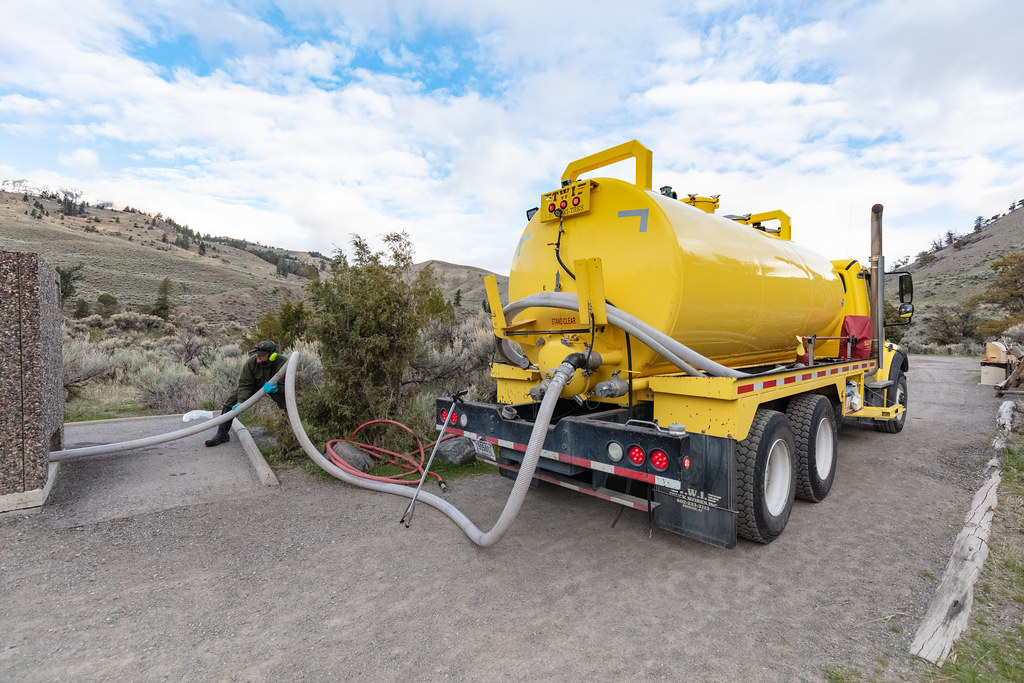
A septic tank fills with sludge and scum whether you think about it or not — and once solids start flowing into your drain field, the clock starts on a repair that costs twenty times what a pump-out does. Pumping every 3–5 years is the single cheapest thing you can do for your system.
Our pump-outs are complete: we locate and uncover the tank, pump it fully dry, wash down the walls, clean or replace the effluent filter, and check baffles and water levels while the tank is open. If we spot a problem, you hear about it with a price attached — not a scare tactic. Most Kissimmee-area pump-outs take about an hour.
Florida septic tanks work harder than most. Kissimmee sits on sandy soil with a high water table, and the summer rainy season pushes groundwater up toward the drain field just when the tank is fullest. Add a garbage disposal, a big family, frequent laundry loads or a rental property with rotating guests, and a tank that should last four years between pump-outs can fill up in three. Pumping on schedule is the cheapest insurance in home ownership: a routine pump-out costs a few hundred dollars, while a failed drain field costs thousands and a backed-up house costs more than money.
Most homeowners only think about the tank when something goes wrong, but the warning signs show up weeks before a backup. Drains slow down all over the house at once, not just one sink. Toilets gurgle when the washing machine runs. There is a sewage smell near the tank lids or over the drain field, or one strip of grass grows suspiciously greener and taller than the rest. In the worst cases the yard goes soggy after rain that would normally drain away. Any one of those signs means the tank is overdue, and waiting for a backup turns a maintenance visit into an emergency call.
Here is what a pump-out visit actually looks like. We locate the tank and uncover the lids, dig them out if they are buried, then pump the tank completely dry and wash down the walls so we can see what is really in there. The effluent filter gets cleaned or replaced, and while the tank is open we check the baffles, the water level and the inlet and outlet for damage. If we spot a problem, you hear about it with a price attached, not a scare tactic, and you get a short summary of what we found before we leave.
How often you need us depends on the household. A typical family home runs three to five years between pump-outs. Bigger families, garbage disposals, older tanks and homes with a lot of guests should lean toward every three years. Rental properties and vacation homes are the ones that get forgotten most, because nobody lives there to notice the slow drains, so landlords do best on a fixed schedule with a reminder. We set a service reminder at every visit, so the next pump-out is a calendar entry instead of a surprise.
One more thing worth knowing before you book: the tank lids matter more than most people think. Buried lids add digging time to every visit, and plastic lids that have gone brittle in the Florida sun can crack under a mower. If your lids are buried deep or damaged, ask us about risers when we are on site. A riser brings the access up to ground level, makes every future pump-out faster and cheaper, and means the next technician is not guessing where your tank is.
What's Included
- Full pump-out of tanks up to 1,500 gallons (larger quoted up front)
- Effluent filter cleaned or replaced
- Baffle and water-level check included
- Lids re-sealed and yard left clean
- Service reminder set for your next pump-out